
U.S. lawmakers are demanding JPMorgan and Bank of America ditch CATL’s massive $5 billion IPO. Why? The Pentagon just labeled the Chinese battery maker a “military end-use” firm. Turns out those batteries might power submarines – yikes. Despite CATL’s alleged ties to forced labor camps and military operations, Wall Street banks can’t resist the sweet smell of profit. They’re still competing for IPO roles, even as human rights concerns mount. The full story gets even messier.
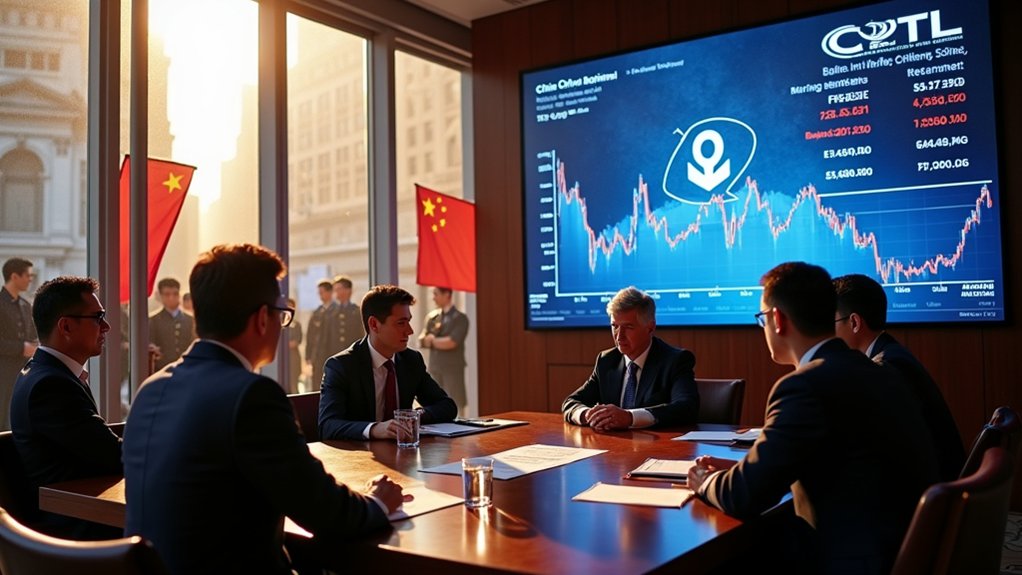
A political firestorm erupted on Wall Street as U.S. lawmakers demanded JPMorgan and Bank of America abandon their roles in CATL‘s planned $5 billion Hong Kong IPO. The controversy centers on the battery giant’s alleged ties to China’s military and human rights abuses – not exactly the kind of company Wall Street usually brags about backing.
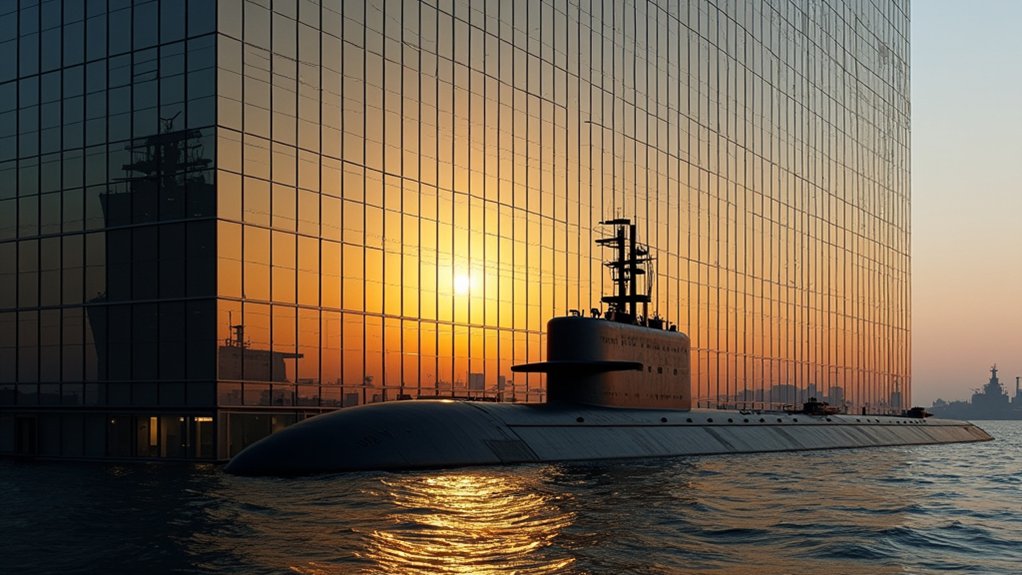
The Pentagon dropped a bombshell in January 2025, labeling CATL as a “military end-use” firm. Their batteries, apparently, could power Chinese submarine fleets. Yeah, you read that right – submarines. The designation under Section 1260H of the National Defense Authorization Act means U.S. investments in CATL are now a big no-no. The growing threat was highlighted by incidents of Chinese submarines stalking U.S. warships in recent years.
Pentagon’s shock move labels CATL as military supplier, with their batteries potentially powering Chinese subs. U.S. investment now forbidden.
But Wall Street’s heavyweights aren’t backing down. JPMorgan, Bank of America, Goldman Sachs, and others are still duking it out for pieces of this controversial IPO pie. They even held an auction for roles on January 2, 2025. Talk about putting profits before politics.
The stakes are huge. CATL, worth a whopping $163 billion, wants to raise up to $8 billion to expand its global manufacturing footprint. Its shares have soared over 70% in the past year on the Shenzhen exchange. Banks are practically falling over themselves to get in on the action, even accepting cut-rate fees.
Things got messier when lawmakers started digging into CATL’s alleged connections to the Xinjiang Production and Construction Corps, a U.S.-sanctioned organization linked to forced labor camps. Congressional letters demanded banks explain their risk controls and knowledge of these ties.
CATL denies any military connections, but that hasn’t stopped the controversy from snowballing. The company’s presence on U.S. government restricted lists has American financial institutions squirming. Meanwhile, investor interest remains sky-high, proving once again that in the world of big money, ethics sometimes take a back seat to opportunity.