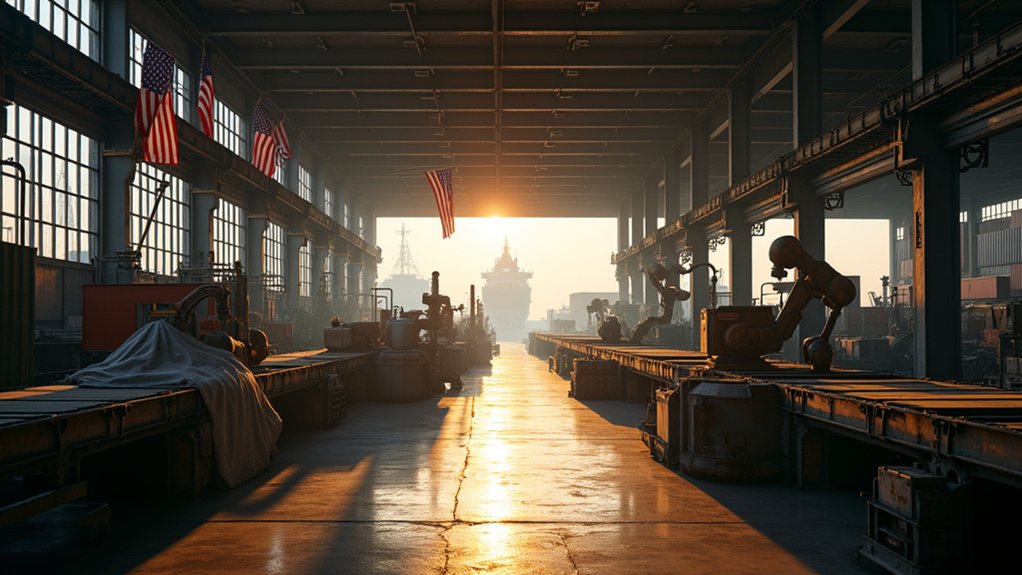

President Biden just dropped a trade bombshell. Starting April 5, 2025, all global imports face a minimum 10% tariff, with bigger trade surplus countries getting hit even harder. The emergency declaration, using IEEPA powers, aims to rescue U.S. manufacturing and shore up national security. Steel and aluminum imports could see tariffs up to 50%. Critics question the legal framework, but the administration isn’t backing down. The real impact remains to unfold.
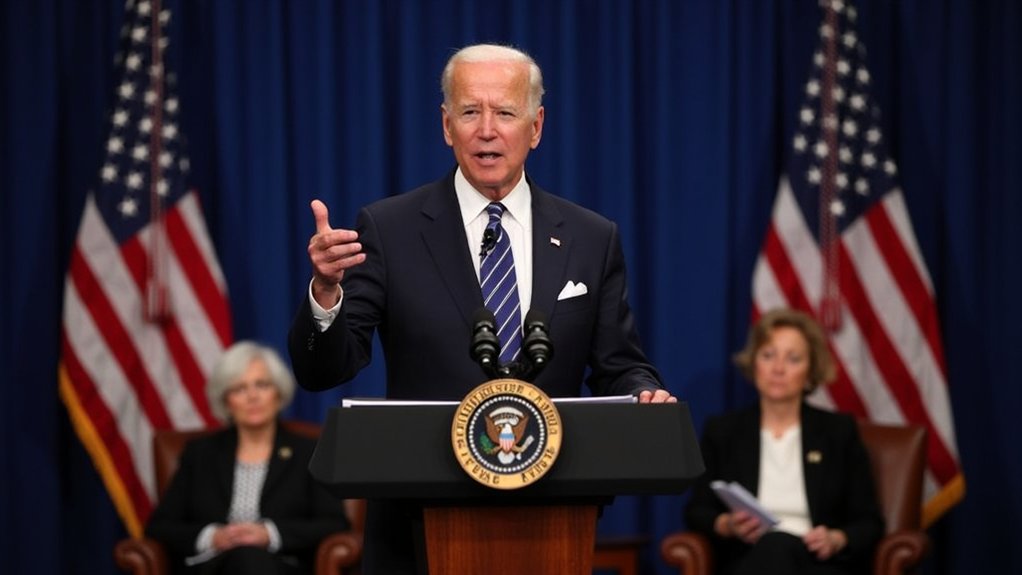
President Biden dropped an economic bombshell today, declaring a sweeping trade emergency that will slap hefty tariffs on imports from around the globe. Starting April 5, 2025, a baseline 10% tariff will hit products from all countries, with even steeper rates for nations carrying the biggest trade surpluses with the U.S.
The White House isn’t pulling any punches. They’re wielding both the International Emergency Economic Powers Act and Section 232 of the Trade Expansion Act like a one-two combo against what they’re calling a threat to national security. Steel and aluminum industries? They’re getting special treatment with tariffs that could rocket up to 50%. Talk about tough love.
Biden’s trade crackdown packs a serious punch, unleashing IEEPA and Section 232 with steel and aluminum tariffs soaring to 50%.
The administration’s message is crystal clear: America’s manufacturing base is on life support, and foreign dependencies are the culprit. Years of persistent trade deficits have left the U.S. defense-industrial base about as sturdy as a house of cards, they claim. And they’re not having it anymore. The move aims to strengthen what officials call stable supply chains for critical industries. U.S. companies currently face a staggering burden of over $200 billion annually in foreign value-added taxes.
But here’s where it gets interesting. The legal foundation for this massive economic shake-up isn’t exactly rock-solid. Federal courts have already raised eyebrows about using IEEPA for broad tariff powers. They’re basically saying, “Show us where Congress explicitly signed off on this.”
Meanwhile, the plan is dead serious about reshaping America’s industrial landscape. The administration is betting big that these tariffs will force companies to bring manufacturing back home. Supply chains? They want them as American as apple pie. Critical industries? They’re aiming to make them great again (where have we heard that before?).
The tariffs aren’t going anywhere until the “national security threat” is resolved. That’s government-speak for “indefinitely.” New quotas and reporting requirements are being rolled out, and trading partners are getting a clear message: play nice or pay the price.
Whether this economic medicine cures what ails U.S. manufacturing or causes new headaches remains to be seen.