
Russia’s brutal invasion sparked global outrage, with 141 UN members condemning Putin’s “special military operation.” The U.S. and NATO allies responded with harsh sanctions and massive military aid, including over 10,000 Javelins. Despite a brief 2025 ceasefire attempt, Russia keeps bombing while millions flee. Ukraine fights on with $407 billion in U.S. support, but peace talks remain stalled. The deeper story of this conflict unfolds beyond the headlines.
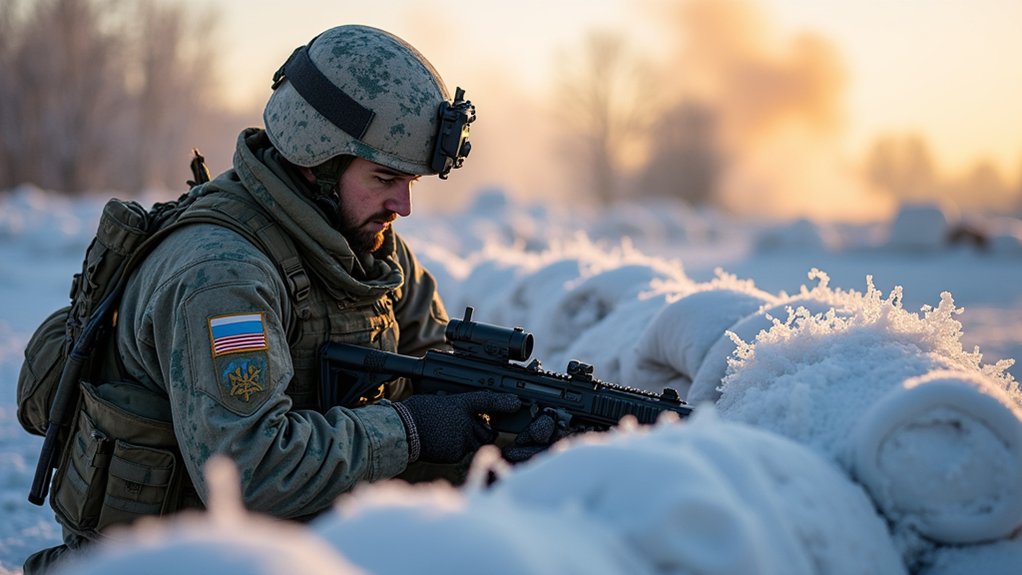
How quickly the world changed when Russian forces stormed across Ukraine’s borders on February 24, 2022. Putin’s “special military operation” – a fancy term for full-scale invasion – sent shock waves across the globe. U.S. intelligence had seen it coming, but Ukraine’s government hadn’t quite believed it would happen. Tough luck.
The international response was swift and severe. A staggering 141 UN member states condemned Russia’s actions – turns out invading sovereign nations isn’t particularly popular these days. The U.S. slapped Moscow with harsh sanctions, targeting everything from banks to oil. Fourteen NATO allies jumped in to send weapons to Ukraine, because nothing says “we disapprove” quite like sending anti-tank missiles. The Pentagon has delivered over 10,000 Javelin systems to bolster Ukraine’s anti-armor capabilities.
When the world unites against invasion, it responds with more than stern words – it sends weapons and sanctions instead.
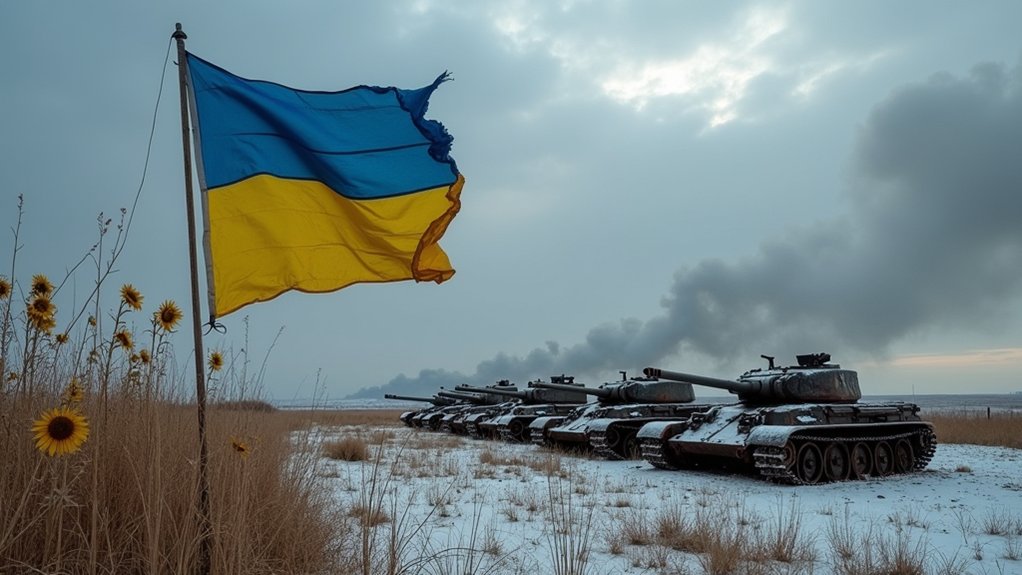
Three years later, the situation remains grim. Russian bombs keep falling, Ukrainian cities lie in ruins, and millions have fled their homes. The civilian death toll? Thousands. The destruction? Massive. Yet Ukraine’s military, now armed with Western weapons, keeps fighting back against overwhelming odds. The U.S. provided $407 billion in total aid to support Ukraine’s defense efforts.
By 2025, diplomacy finally got a shot in Riyadh. Ukraine agreed to a one-month ceasefire – pretty generous considering they’re the ones being invaded. Russia? Not so quick to reciprocate. U.S. negotiators have dangled normalization of relations, but Moscow seems more interested in continuing its “demilitarization” campaign – that’s code for bombing Ukrainian infrastructure.
The Defense Secretary’s proposed terms are tough pills to swallow: Ukraine giving up occupied territories, ditching NATO dreams, and saying goodbye to U.S. military guarantees. Meanwhile, Russia’s been making new friends outside the Western club, trying to dodge those pesky sanctions.
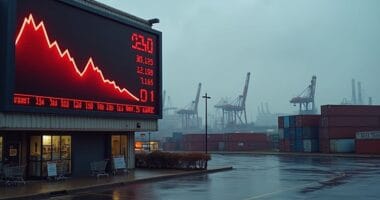
Global food and energy prices have been on a roller coaster ride since this all began. Russia’s more isolated than ever from the West, though some are trying to patch things up.
But with bombs still falling and peace talks stuttering along, one thing’s crystal clear: this war isn’t ending anytime soon.