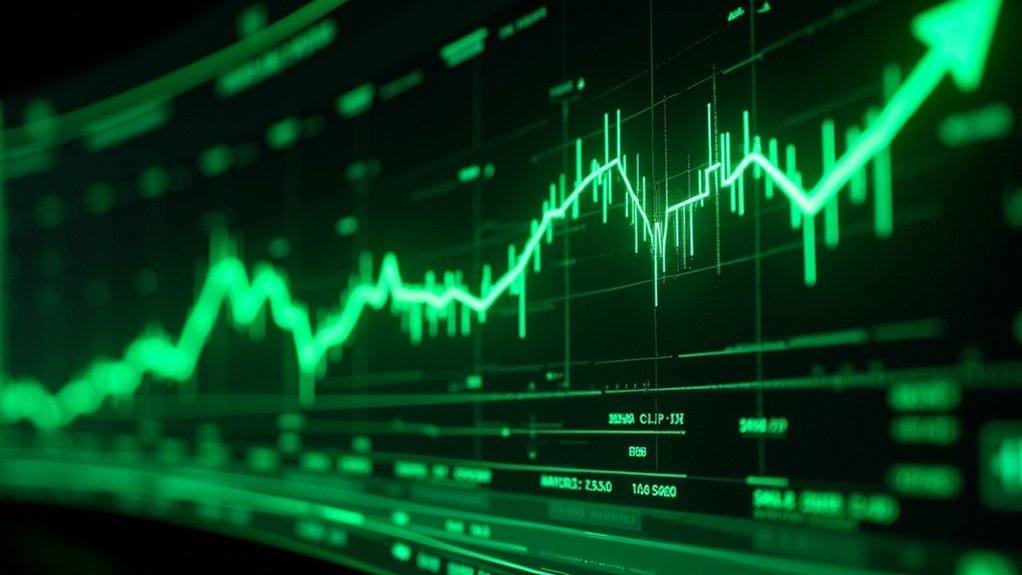

Global markets erupted in celebration as Trump’s sudden tariff policy reversal sent stocks into overdrive. The S&P 500 surged a staggering 7% – marking its third-biggest gain since World War II and closing at 5,062.25. While most tariffs got a 90-day timeout, Chinese import levies actually jumped to 125%. Treasury yields dropped and industrial sectors breathed easier, but longtime China watchers know this chess match is far from over.
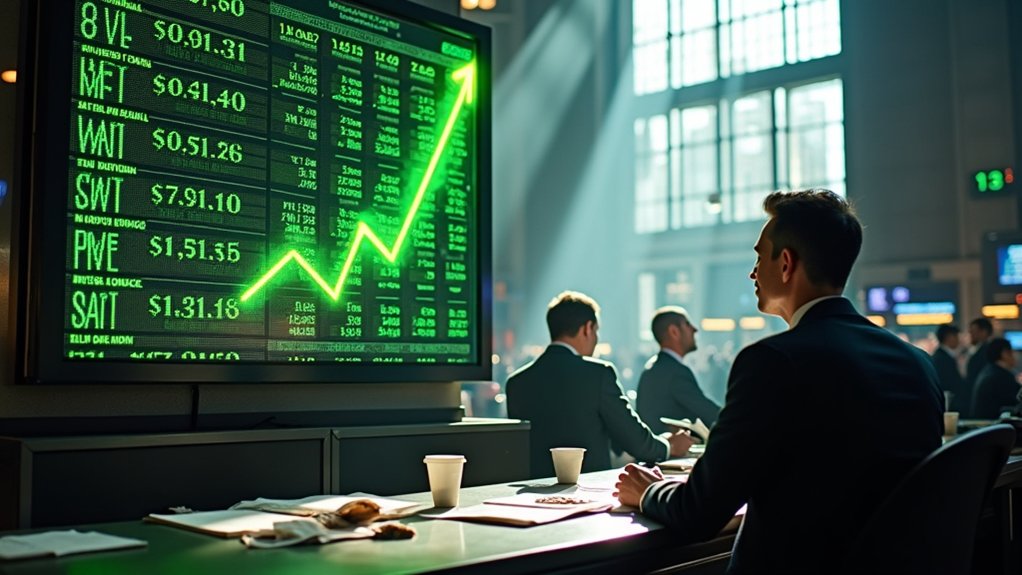
As global markets reeled from months of trade uncertainty, President Trump’s sudden reversal on tariffs sent stocks skyrocketing to historic levels. The S&P 500 surged more than 7%, marking one of its largest single-day gains since World War II. The Dow Jones and Nasdaq followed suit, with dramatic rebounds that left investors breathing sighs of relief.
The administration’s unexpected move halted most tariffs for 90 days – though importantly ramping up levies on Chinese imports to a whopping 125%. Treasury yields dropped, and financial markets stabilized as fears of prolonged economic turbulence began to ease. Talk about a plot twist. The S&P 500 closed at 5,062.25, erasing earlier losses.
Major trading partners wasted no time jumping back into the game. Japan, South Korea, India, and Vietnam all expressed interest in re-engaging with U.S. markets. European reactions were mixed but generally positive. After months of doom and gloom, global markets finally had something to celebrate. The market capitalization weighted index demonstrated its role as a key economic indicator.
The volatility was something to behold. Markets swung wildly before and after the announcement, with even rumors of the tariff pause sending stocks into a frenzy. Safe-haven assets took a backseat as investors rushed back into riskier territory. The mood shift was palpable – and dramatic. The baseline tax rate of 10% was established for most countries, marking a significant shift in trade policy.
Trump administration officials framed the reversal as a strategic negotiation tactic, though they also hinted at new tariffs on imported drugs. Meanwhile, Chinese officials remained conspicuously quiet about their next move. The trade war chess match continues.
The impact rippled through the economy. Industrial and manufacturing sectors got some much-needed breathing room. Economic growth projections ticked upward. Even consumer confidence showed signs of recovery after previous market downturns had sparked widespread concern.
But let’s not get too comfortable. Long-term concerns about protectionist policies and global supply chains still linger. And with the administration’s broader trade agenda remaining uncertain, today’s celebration could be tomorrow’s headache.
For now, though, Wall Street is enjoying its moment in the sun.