
AI photo location detection has become eerily accurate, even without GPS data or metadata. Advanced systems like GeoSpy and PIGEON can identify locations from buildings, plants, and lighting patterns with up to 95% accuracy. It’s not just about spotting the Eiffel Tower anymore – these tools can pinpoint specific city blocks and hiking trails. Privacy experts are raising red flags, but the technology keeps getting better. The implications of this capability stretch far beyond simple vacation snapshots.
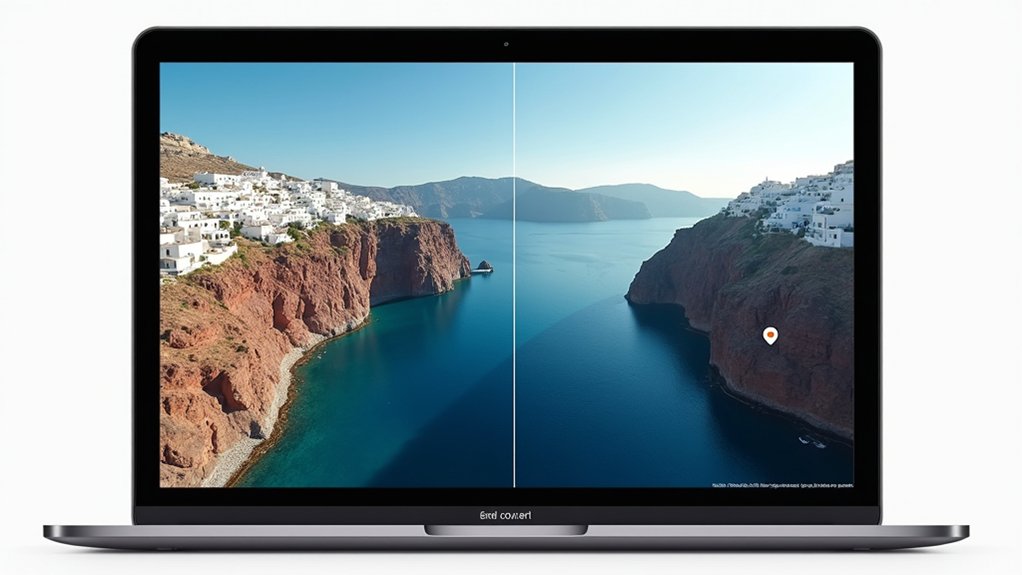
While social media users cheerfully share their vacation photos and foodie adventures online, AI has quietly become shockingly good at figuring out exactly where those pictures were taken.
Tools like GeoSpy and Picarta don’t need fancy metadata or GPS coordinates – they just look at what’s in the image. Buildings, plants, street signs, even the way light hits a restaurant’s interior. That’s all it takes.
These AI systems are getting scary accurate. The PIGEON system nails the correct country 95% of the time when analyzing Google Street View images. Sometimes it can pinpoint locations down to specific city blocks. That selfie at a hip new bar? The AI knows which one. That random hiking photo? It might just tell you which trail in Yellowstone you were on. Modern AI platforms can deliver meter level accuracy for precise location predictions. OpenAI’s new o3 model excels at deducing locations from even the blurriest photos.
Modern AI can locate you with terrifying precision – whether you’re bar-hopping downtown or hiking remote wilderness trails.
It’s become something of a game. Social media users now challenge these AI tools with everything from ancient family photos to close-ups of menu items. Scientists have found practical uses too, using the technology to track animal habitats and invasive species. Historical researchers are using it to reveal the mysteries of old photographs, revealing locations lost to time.
But here’s where it gets creepy. Privacy experts are raising red flags about how this technology could be misused. Think about it – even a seemingly innocent screenshot from social media could reveal someone’s location. The potential for doxxing and real-time tracking is real. No wonder companies like Google are letting users opt out of location estimation features.
The technology keeps improving, though it’s not perfect. Rural areas and visually ambiguous locations still trip up the AI occasionally.
But the trend is clear – those vacation photos you’re posting? They’re basically giving away your exact coordinates. And you don’t even need to hit “share location” anymore. The AI just knows.
Welcome to the future, where your photos can’t keep a secret – even if you want them to.